Welcome back.
If you read my first post, Just’In Perspective: Embrace Your First Step, you already know: I’m not chasing perfection—I’m chasing momentum. I’m in it for the moments where clarity meets courage. The ones that invite you to move forward—not because you’re ready, but because it’s time.
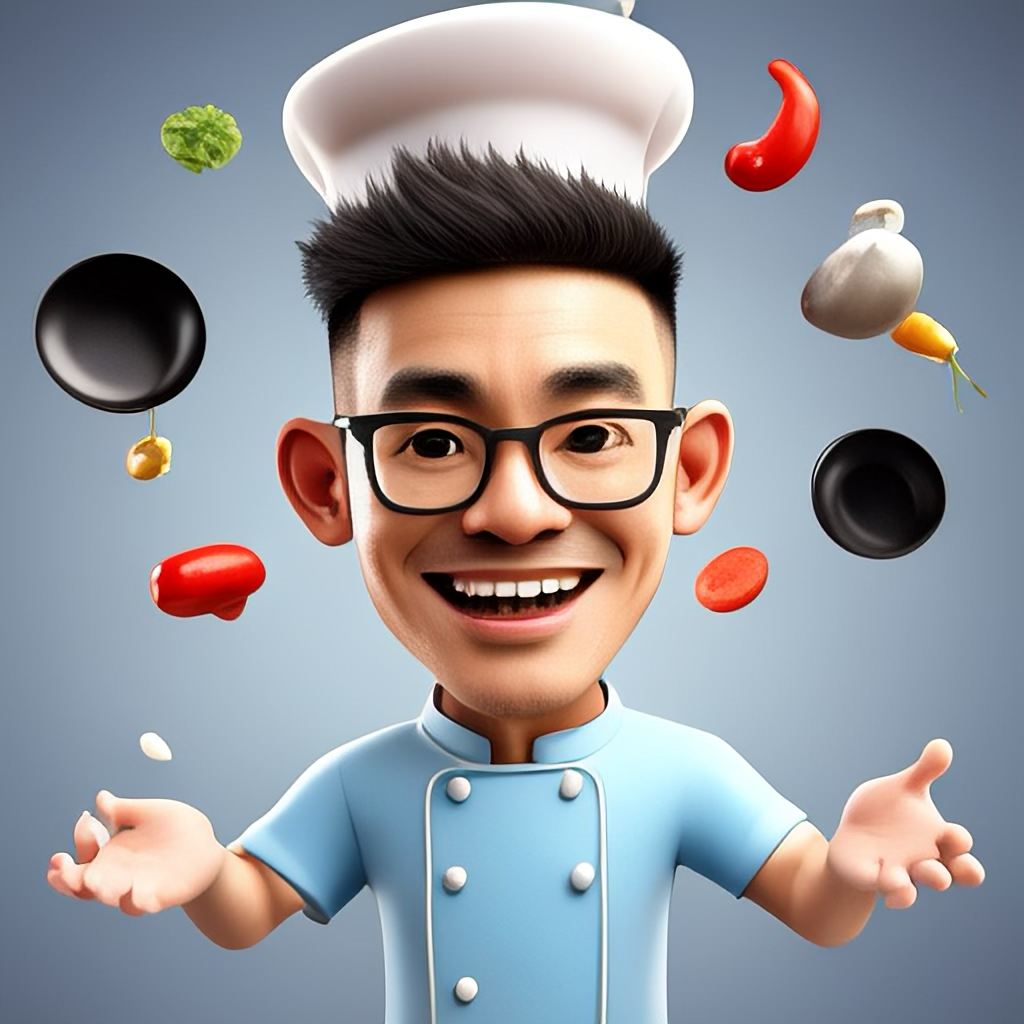
This time, let’s head to the kitchen—specifically, the high-stakes culinary coliseum of Iron Chef.
I was inspired by this show, not just as a food enthusiast, but as a business leader.
If you’ve seen it, you know the setup: unknown ingredients, fixed time, zero room for error. It’s cooking meets combat. Creativity under constraint. And in many ways, it’s the purest example of Just In Time thinking I can imagine.
Because at its core, Iron Chef isn’t just a cooking show.
It’s a masterclass in adaptive leadership, strategic agility, and how to thrive when the rules are always changing.
Iron Chef: The Art of Controlled Chaos
Iron Chef competitors don’t get a recipe. They get a challenge.
They don’t know the ingredients until seconds before the clock starts.
But once it does, they rely on instinct, preparation, and real-time decision-making.
There’s no time to second-guess.
They scan the pantry, sort ideas, fire up the stove, and execute—boldly, intentionally, and with relentless focus.
That’s Just in Time.
Not reactionary. Responsive.
Not perfect. Purposeful.
And it’s not just food. It’s a mindset.
Just In Time: From Supply Chains to Sous Vide
In the business world, we often define Just in Time through logistics and manufacturing:
Right product. Right place. Right moment. Minimal waste.
It’s the classic lean approach.
But over the years, I’ve learned JIT is more than a supply chain principle.
It’s a way of navigating complexity.
It’s how we deliver when the ingredients change.
It’s what lets leaders act with clarity—even when the path forward is unclear.
Whether launching new tech at Nordstrom, building client playbooks at o9 Solutions, or advising in the retail trenches at Williams-Sonoma, that mindset shows up again and again.
It’s not about having every answer ahead of time.
It’s about being ready to move when the moment arrives.
Agile Thinking in a Cast Iron Skillet
When I say Agile, I’m not just being metaphorical—I’m talking about Agile Software Development.
Think SAFe. Think Scrum. Think sprint cycles and product increments.
The Iron Chef kitchen, believe it or not, works a lot like a high-performing Agile team—chef and sous-chefs included.
Chefs don’t have a Gantt chart or a two-year waterfall plan.
What they do have is a clear objective, a backlog of ingredients, and a ticking clock.
They iterate, check, adapt, and refine in real time.
And they do it with purpose.
This is exactly what Agile frameworks were built for:
Delivering value in pieces, with frequent checkpoints and the ability to pivot as needed—without scrapping the whole meal.
Each sprint is like a course or a meal service.
You taste, test, adjust.
You don’t wait until the end to see if the dish is edible.
You course-correct constantly, with built-in feedback loops that keep you on track.
Agile isn’t chaos—it’s structured responsiveness.
SAFe, for instance, aligns strategy across teams while still allowing for that Iron Chef flexibility at the team level.
It’s not about shipping everything at once—it’s about shipping the right things, at the right time, based on what you’ve learned in the moment.
In both software and in kitchens, that’s how you go from raw ingredients to remarkable outcomes.
Cooking Without a Script: Why Constraint Fuels Creativity
Constraints aren’t the enemy.
They’re the spark.
Iron Chefs don’t win because they have endless options—they win because they make decisive ones.
They see the secret ingredient and immediately set a direction.
That’s what real leadership looks like:
Making smart, fast choices with imperfect information.
In our business lives, we’re also cooking under constraints—supply shortages, staffing challenges, shifting customer expectations.
But just like in the kitchen, those very limits are what unlock creativity.
Innovation doesn’t require endless resources.
It requires clarity and courage.
It asks:
“What can I make with what I have—right now?”
It’s the same logic behind MVP—Minimum Viable Product.
Think back to when Apple launched the first iPhone.
No 3G. No App Store.
Critics called it incomplete.
But Apple knew the real product wasn’t what launched—it was what would evolve.
That’s the power of delivering just in time, then learning and growing from there.
Be the Chef Who Knows the Pantry
Whether you’re managing a digital roadmap or building a seasonal product strategy, your success depends on knowing your pantry.
• What tools do you have?
• What skills live within your team?
• What can you deploy quickly and confidently?
At Nordstrom, we didn’t transform our supply chain by knowing everything—we transformed it by acting on the right things at the right time.
We restructured planning and delivery rhythms to support speed and responsiveness.
We built agile systems of record that let us see what was in our pantry and make smarter moves.
At o9 Solutions, the same philosophy applied.
Building client playbooks wasn’t about controlling every detail—it was about empowering teams to iterate, adapt, and scale intelligently for each client situation.
Whether it’s food, features, or fulfillment—know your ingredients and stay ready to create.
The Knife Sale That Wasn’t About Knives
One day this past holiday season at Williams-Sonoma, I somehow sold over $10,000 worth of knives and espresso machines.
But here’s the thing—it wasn’t about selling.
It was about connection.
And actively engaging.
I met each customer where they were: home cooks, gift buyers, people upgrading their kitchen.
I listened, read the moment, and guided—not pitched.
That sale happened just in time because I was present, prepared, and able to respond with confidence.
In business, like in retail, it’s often not about the product.
It’s about understanding what the moment demands.
What Iron Chef Can Teach Business Leaders
So what does this all mean for you—whether you’re leading a team, managing a product, or running a kitchen of your own?
Here’s what Iron Chef leadership looks like:
• Master your mise en place. Know your tools, people, and data. Prepare, prepare, prepare.
• Start before it’s perfect. Build, ship, test, and refine. Relentlessly switch gears.
• Embrace sprints. Deliver in small bites, learn from each one.
• Make the call. You can’t plan forever. Decide, then iterate. Test it. Fail or succeed fast—and learn.
• Finish the plate. Perfection is optional. Delivery is essential. Customers would rather have food and give feedback than never get fed.
A Personal Note: The Kitchen as a Mirror
For me, cooking is therapy.
It’s where I reflect, recalibrate, and reconnect—with my heritage, my creativity, and my appetite for experimentation.
It’s where I test new ideas and taste them in real time.
That’s what this blog is, too—a platform to share and iterate on kitchen thought, self-care thought, and current events thought.
I don’t always know what I’ll write next.
But I show up.
I scan the pantry.
I start the timer.
And I cook.
Because the best meals, like the best ideas, don’t come fully formed.
They come just in time.
What’s In Your Basket Today?
Maybe your challenge isn’t a mystery ingredient—it’s a new project, a team shift, or a personal reset.
Whatever it is, I invite you to approach it like an Iron Chef:
With clarity.
With readiness.
And with the confidence that you don’t need all the answers—just the instinct to act, the feedback to learn, and the courage to plate something great.
Because in kitchens, in boardrooms, and in life:
Just in time is just right.
Welcome back. If you’ve read my first post of “Just‘ In Perspective”; “Embrace Your First Step”, you already know: I’m not chasing perfection; I’m chasing momentum. I’m in it for the moments where clarity meets courage. The ones that invite you to move forward—not because you’re ready, but because it’s time.
This time, let’s head to the kitchen—specifically, the high-stakes culinary coliseum of Iron Chef. I was inspired by this show…
If you’ve seen it, you know the setup: unknown ingredients, fixed time, zero room for error. It’s cooking meets combat. Creativity under constraint. And in many ways, it’s the purest example of Just In Time thinking I can imagine.
Because at its core, Iron Chef isn’t just a cooking show. It’s a masterclass in adaptive leadership, strategic agility, and how to thrive when the rules are always changing.
Iron Chef: The Art of Controlled Chaos
Iron Chef competitors don’t get a recipe. They get a challenge. They don’t know the ingredients until seconds before the clock starts. But once it does, they rely on instinct, preparation, and real-time decision-making.
There’s no time to second-guess.
They scan the pantry, sort ideas, fire up the stove, and execute—boldly, intentionally, and with relentless focus. That’s Just in Time. Not reactionary. Responsive. Not perfect. Purposeful.
And it’s not just food. It’s a mindset.
Just In Time: From Supply Chains to Sous Vide
In the business world, we often define “Just in Time” through logistics and manufacturing: right product, right place, right moment—minimal waste. It’s the classic lean approach.
But over the years, I’ve learned JIT is more than a supply chain principle. It’s a way of navigating complexity. It’s how we deliver when the ingredients change. It’s what lets leaders act with clarity—even when the path forward is unclear.
Whether launching new tech at Nordstrom, building client playbooks at o9 Solutions, or advising in the retail trenches at Williams-Sonoma, that mindset shows up again and again.
It’s not about having every answer ahead of time. It’s about being ready to move when the moment arrives.
Agile Thinking in a Cast Iron Skillet
When I say Agile, I’m not just being metaphorical—I’m talking about Agile Software Development. Think SAFe. Think Scrum. Think sprint cycles and product increments. The Iron Chef kitchen, believe it or not, works a lot like a high-functioning Agile team (Chef and sou chefs).
Chefs don’t have a Gantt chart or a two-year waterfall plan. What they do have is a clear objective, a backlog of ingredients, and a ticking clock. They iterate, check, adapt, and refine in real time. And they do it with purpose.
This is exactly what Agile frameworks were built for: delivering value in pieces, with frequent checkpoints and the ability to pivot as needed—without scrapping the whole meal.
Each sprint is like a course or a meal service. You taste, test, adjust. You don’t wait until the end to see if the dish is edible. You course correct constantly, with built-in feedback loops that keep you on track. Agile isn’t chaos—it’s structured responsiveness.
SAFe, for instance, aligns strategy across teams while still allowing for that Iron Chef flexibility at the team level. It’s not about shipping everything at once—it’s about shipping the right things, at the right time, based on what you’ve learned in the moment.
In both software and in kitchens, that’s how you go from raw ingredients to remarkable outcomes.
Cooking Without a Script: Why Constraint Fuels Creativity
Constraints aren’t the enemy. They’re the spark.
Iron Chefs don’t win because they have endless options—they win because they make decisive ones. They see the secret ingredient and immediately set a direction. That’s what real leadership looks like: making smart, fast choices with imperfect information.
In our business lives, we’re also cooking under constraints—supply shortages, staffing challenges, shifting customer expectations. But just like in the kitchen, those very limits are what unlock creativity.
Innovation doesn’t require endless resources. It requires clarity and courage. It asks, “What can I make with what I have—right now?” The question often asked: “what is MVP, minimal viable product. Like when apple iPhone launched without 3G and without an app ecosystem. People quickly pointed that flaw out. And where are we now? Exactly.
Be the Chef Who Knows the Pantry
Whether you’re managing a digital roadmap or building a seasonal product strategy, your success depends on knowing your pantry.
What tools do you have? What skills live within your team? What can you deploy quickly and confidently?
At Nordstrom, we didn’t transform our supply chain by knowing everything—we transformed it by acting on the right things at the right time. We restructured planning and delivery rhythms to support speed and responsiveness. We built agile systems of record that let us see what was in our pantry and make smarter moves.
At o9 Solutions, the same philosophy applied. Building client playbooks wasn’t about controlling every detail—it was about empowering teams to iterate, adapt, and scale intelligently for each client situation.
Whether it’s food, features, or fulfillment—know your ingredients and stay ready to create.
The Knife Sale That Wasn’t About Knives
Let me tell you a quick story. One day this past holiday scramble at Williams-Sonoma, I somehow sold over $10,000 worth of knives and espresso machines. But here’s the thing—it wasn’t about selling. It was about connection. And actively engaging.
I met each customer where they were: home cooks, gift buyers, people upgrading their kitchen. I listened, read the moment, and guided—not pitched. That sale happened just in time because I was present, prepared, and able to respond with confidence.
In business, like in retail, it’s often not about the product. It’s about understanding what the moment demands.
What Iron Chef Can Teach Business Leaders
So what does this all mean for you—whether you’re leading a team, managing a product, or running a kitchen of your own?
Here’s what Iron Chef leadership looks like:
• Master your mise en place. Know your tools, people, and data. Prepare prepare prepare.
• Start before it’s perfect. Build, ship, test, and refine. Relentlessly switch gears.
• Embrace sprints. Deliver in small bites, learn from each one.
• Make the call. You can’t plan forever. Decide, then iterate. Test it. Fail or succeed fast and learn.
• Finish the plate. Perfection is optional. Delivery is essential. Customers rather have food and give feedback vs never getting food.
A Personal Note: The Kitchen as a Mirror
For me, cooking is therapy. It’s where I reflect, recalibrate, and reconnect—with my heritage, my creativity, and my appetite for experimentation. It’s where I test new ideas and taste them in real time.
That’s what this blog is, too—a platform to share and iterate on kitchen thought. Self care thought. Current events thought.
I don’t always know what I’ll write next. But I show up. I scan the pantry. I start the timer. And I cook.
Because the best meals, like the best ideas, don’t come fully formed. They come just in time.
What’s In Your Basket Today?
Maybe your challenge isn’t a mystery ingredient—it’s a new project, a team shift, or a personal reset. Whatever it is, I invite you to approach it like an Iron Chef:
With clarity. With readiness. And with the confidence that you don’t need all the answers—just the instinct to act, the feedback to learn, and the courage to plate something great.
Because in kitchens, in boardrooms, and in life: Just in time is just right.
 Just’In Perspective